

Legal Summit III, Wrapped: a day of AI agent law in numbers
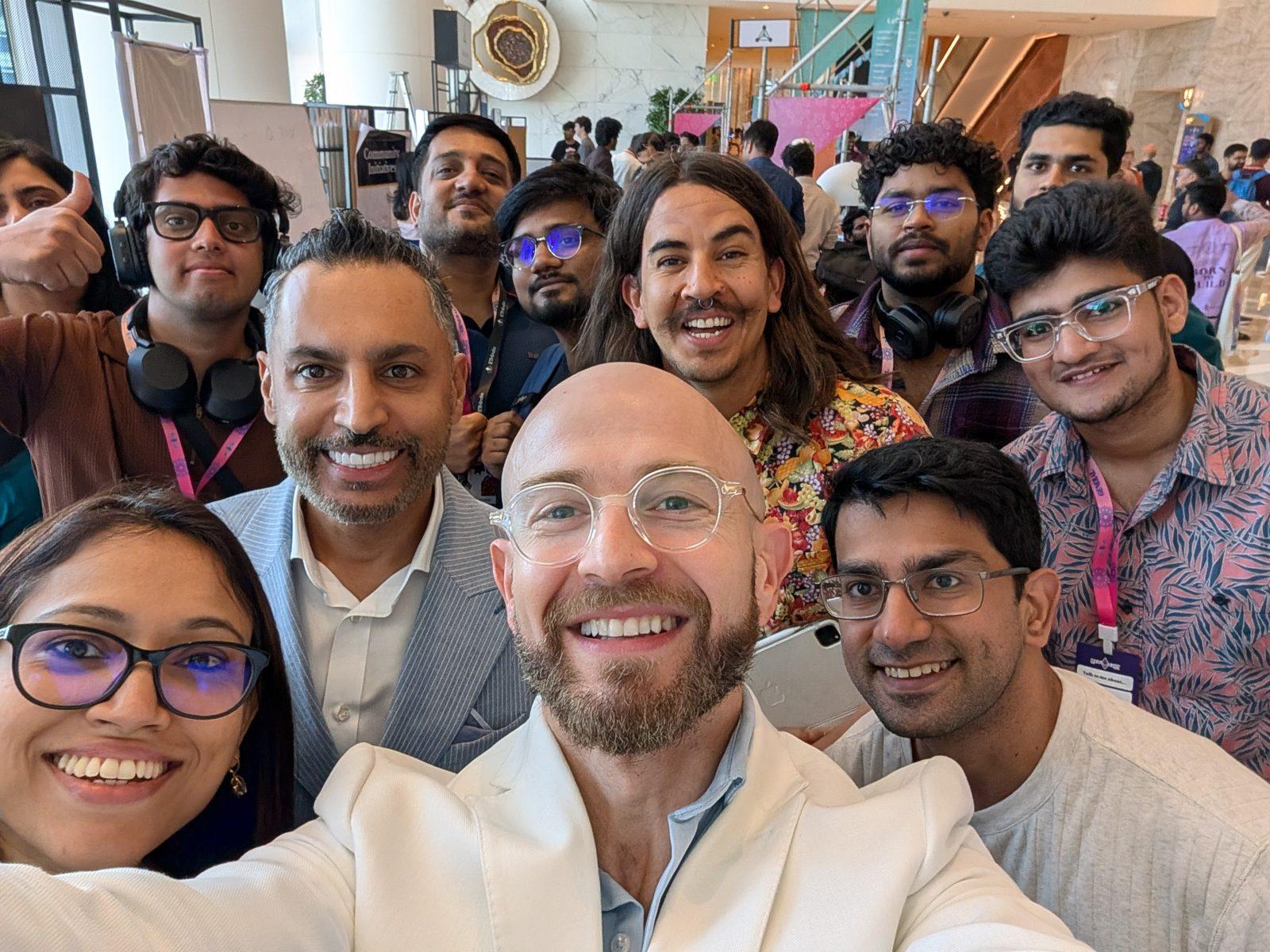
Legal Summit III, Spotify Wrapped style: the numbers that mattered and the five questions the room kept replaying.
Every December, Spotify tells you what your year sounded like. Your top artist, your top genre, the song you could not stop playing.
We thought a day of lawyers, founders, investors and builders arguing about AI agents deserved the same treatment. Legal Summit III ran at Devcon 8 in Mumbai on 4 November 2026. We went back through every recording, threw out the numbers that only sound impressive, and kept the ones that tell you what the day was actually about.
The day in 30 seconds
- 10 sessions in one day
- 27 speakers and moderators
- 900+ registrations
- 9 hours, from the first talk to the last
- 1 question that came up in almost every room: when an AI agent does something wrong, who answers for it?
900+ people for a day of law
More than 900 people registered for a full day about AI agents and the law. At a conference better known for protocols and gas fees, that still surprises us a little.
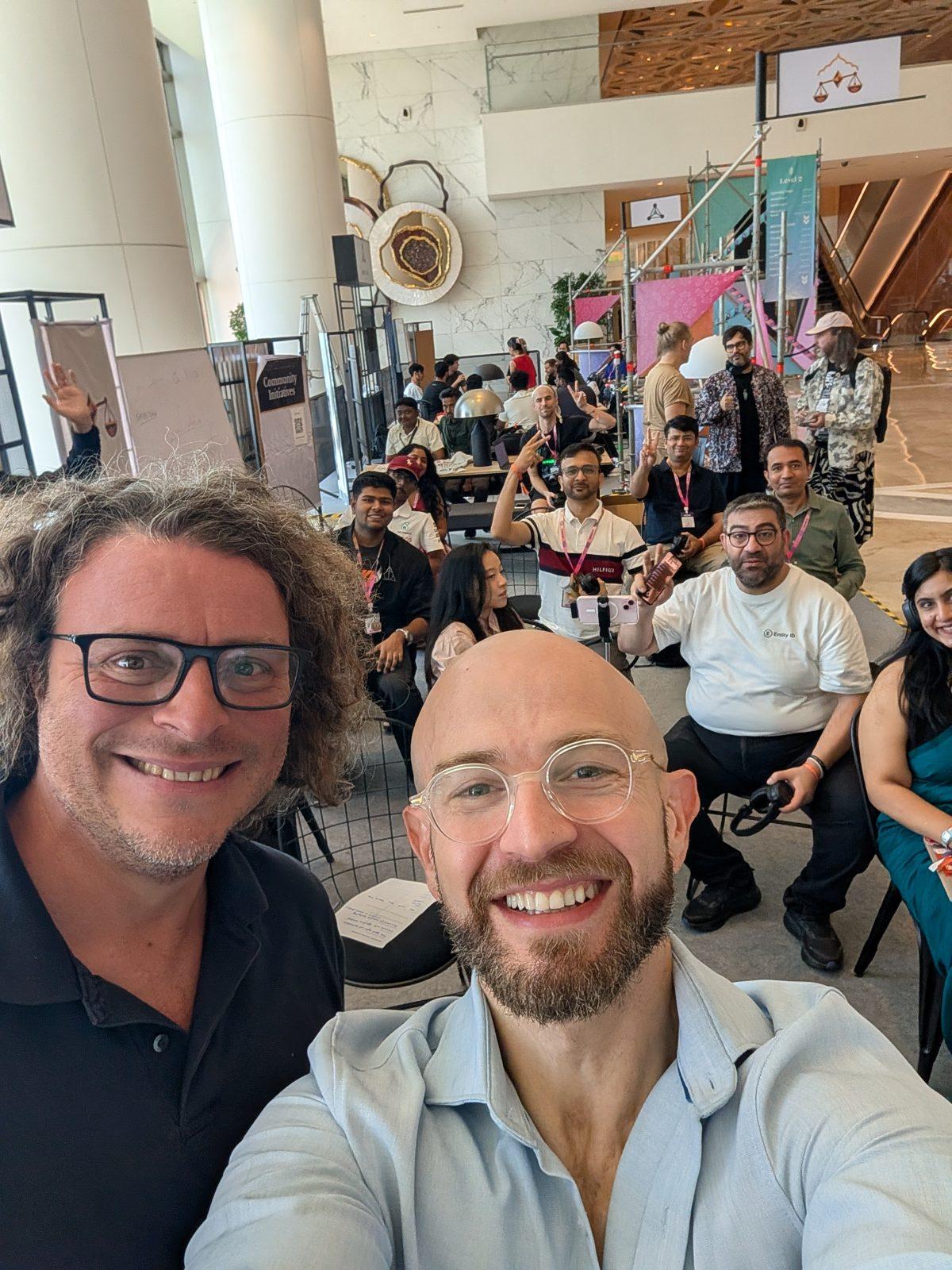
27 speakers and moderators took the stage across 10 sessions, from 9:30 in the morning to 6:30 in the evening. The day opened with From Tribe to Agent on the Jasmine Stage, then moved to the Legal and Governance Hub on Level 3. The hub sat in the middle of the venue noise, so most of the audience listened through headphones. From the back, it looked like a silent disco about liability.
Your top genre: responsibility
If the day had a top genre, it was this one. Across the seven sessions we recorded, "responsible" and "responsibility" came up 46 times, and "liable" or "liability" another 32.
Nobody planned that. The sessions had different titles: raising money, privacy, token rights, who owns the upside. Somewhere in almost every one, the conversation drifted to the same place. If an agent makes a mistake, someone has to pay. Who?
The line of the day came from Alexander Urbelis of ENS Foundation, who said it three times in one session:
You can't have it both ways.
A company cannot take the credit when its agent does something brilliant and walk away when it does something terrible. We put that question on trial, with all the witnesses, in who pays when an AI agent goes rogue.
The five questions on repeat
If the top genre was responsibility, these were the tracks the room kept replaying.
Who pays when an agent goes rogue? The room landed on three answers: the owner, everyone along the chain, or the agent itself up to a limit. All three need the same thing first, which is knowing whose agent it is.
Would you invest in a startup with an AI co-founder? Sam put this one to three investors. The answer was "I don't think it's out of the question", with one big condition: someone still has to stand behind the agent. The full answer is in would investors back an AI co-founder.
Can you be private and still accountable? The privacy panel said yes. Keep almost everything private by default, and make it provable when it matters. Our version of that argument, privacy for people and transparency for what they make, is in privacy for people, transparency for AI agents.
Who owns the upside? The question nobody asks. When an agent loses money, everyone works hard to push the blame somewhere else. When it makes money, nobody stands up to say the profit is not theirs.
Is any of this actually new? Sam opened the day by going back 70,000 years and arguing that it is not. Every form of human coordination, from a tribe to a company, has had people behind it, rules, and a way of telling everyone it exists. AI agents are just the newest one, and right now they look a lot like shell companies. His co-host Pri summed up the opening perfectly when she took the mic: "Sam has given us a brief history of time in 12 minutes." That argument is in old laws, new agents.
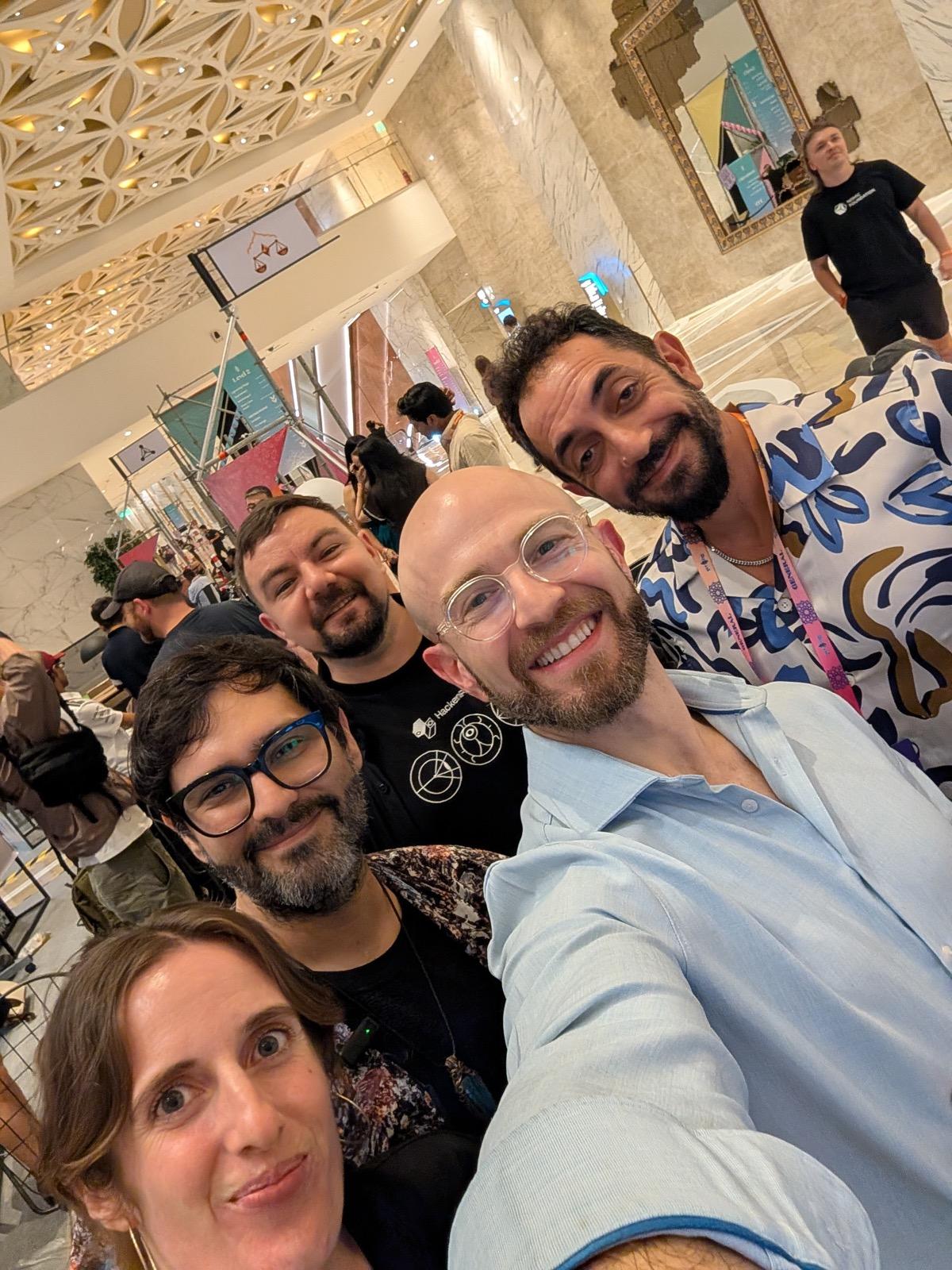
Most played: a dog and ancient Rome
For a day about the future, people spent a surprising amount of it in the past. Two of the clearest explanations of AI liability had nothing to do with AI.
Federico Ast of Kleros compared an agent to a dog that spots a bird and runs straight through a café table. You did not control the dog's every move, but you are still paying for the table. And speakers in three different sessions reached for ancient Rome, where an owner answered for what was done in his name and a slave trading with his master's money could only lose what he had been given. The oldest rules on the books turned out to be the most useful ones in the room.
The session nobody heard
Ten sessions ran. Seven are on tape, about three and a half hours in all, and they are going up one by one in the Legal Summit III playlist.
One of the missing ones hurts. Agents and Personhood, a panel on whether an AI agent could ever be a legal person, was filmed beautifully and recorded no sound at all. It is the one session we most wanted to share, because personhood was the question hiding under every other one. If you recorded any of it on your phone, please send it to us.
What the day actually concluded
Strip away the numbers and the day comes down to one idea that almost every speaker reached, from a different direction. AI agents are not a legal mystery. They are a missing record.
Lawyers already know how to handle someone acting for someone else. Investors already know how to back a team they cannot fully see. Privacy builders already know how to prove something without showing everything. What none of them can do is any of that for an agent when nobody knows whose agent it is.
Our take: every AI agent needs a record
The answer did not change from session to session. Before anyone can pay for an agent's mistake, invest in it, or trust it with private data, someone has to know who stands behind it. A company has an owner on record and rules others can check. We think an agent needs the same, which is why an AI agent needs an Agent ID and why we built Agent Entity.
Watch the sessions
Legal Summit III was the third Entity Onchain Legal Summit, after Buenos Aires and Hong Kong. The recorded sessions are in the Legal Summit III playlist on YouTube, and legalsummit.io has the agenda and the earlier editions. For the story of the week around the summit, read we handed Mumbai a marker.
How we counted: the word counts come from the captions of the seven recorded sessions, so read them as give or take a few. Were you there? Tell us the moment we missed.
This post shares views from conference sessions. It is not legal advice.